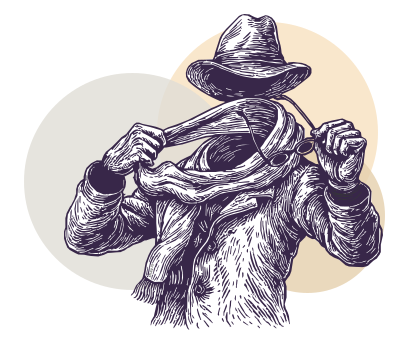
The kind of work I’m most proud of rarely makes it into a portfolio. No big redesigns. No viral case studies. Just quieter wins, smoother systems, healthier teams, and decisions made with more clarity and trust.
This kind of work doesn’t usually win awards, but it changes everything.
What does invisible work look like?
- It’s the meeting you don’t need to have anymore because the team finally understands each other.
- The decision framework that helps a product manager, designer, and engineer align without endless debate.
- The shift in language that makes a design team feel like a strategic partner, not a service desk.
- The system that turns chaos into consistency without killing creativity.
It’s invisible by nature, but the impact is very real.
Why it matters more than you think
Design leadership… real leadership, often looks like this. It’s not just about vision decks and keynote moments. It’s the steady shaping of culture, operations, and thinking. It’s recognising the patterns beneath the noise and quietly improving how things work, so better outcomes can happen more easily and more often.
I used to wonder whether this kind of work was “enough.” Whether it counted.
Now I know it’s what counts most.
Why this kind of work matters
If you’re leading a business, a function, or a team: this is the kind of work you want happening in the background. It doesn’t shout, but it shows up in retention, trust, delivery, and culture.
When evaluating a design leader, look beyond the big wins and polished slides. Ask how they’ve shaped environments. Ask what’s now working that didn’t before.
If you’re a designer on your way to leadership: this is the work you’ll never be asked to do, but will be expected to own. You’ll start noticing it when you care less about your own output and more about how the whole thing moves. It’s not glamorous, and it’s not always recognised, but it’s how you make things better for the people around you.
You won’t always get credit for it. But you’ll know it’s working when others start doing better work, and they don’t even know why.